How to Keep Hot Dogs Warm for Parties and Events

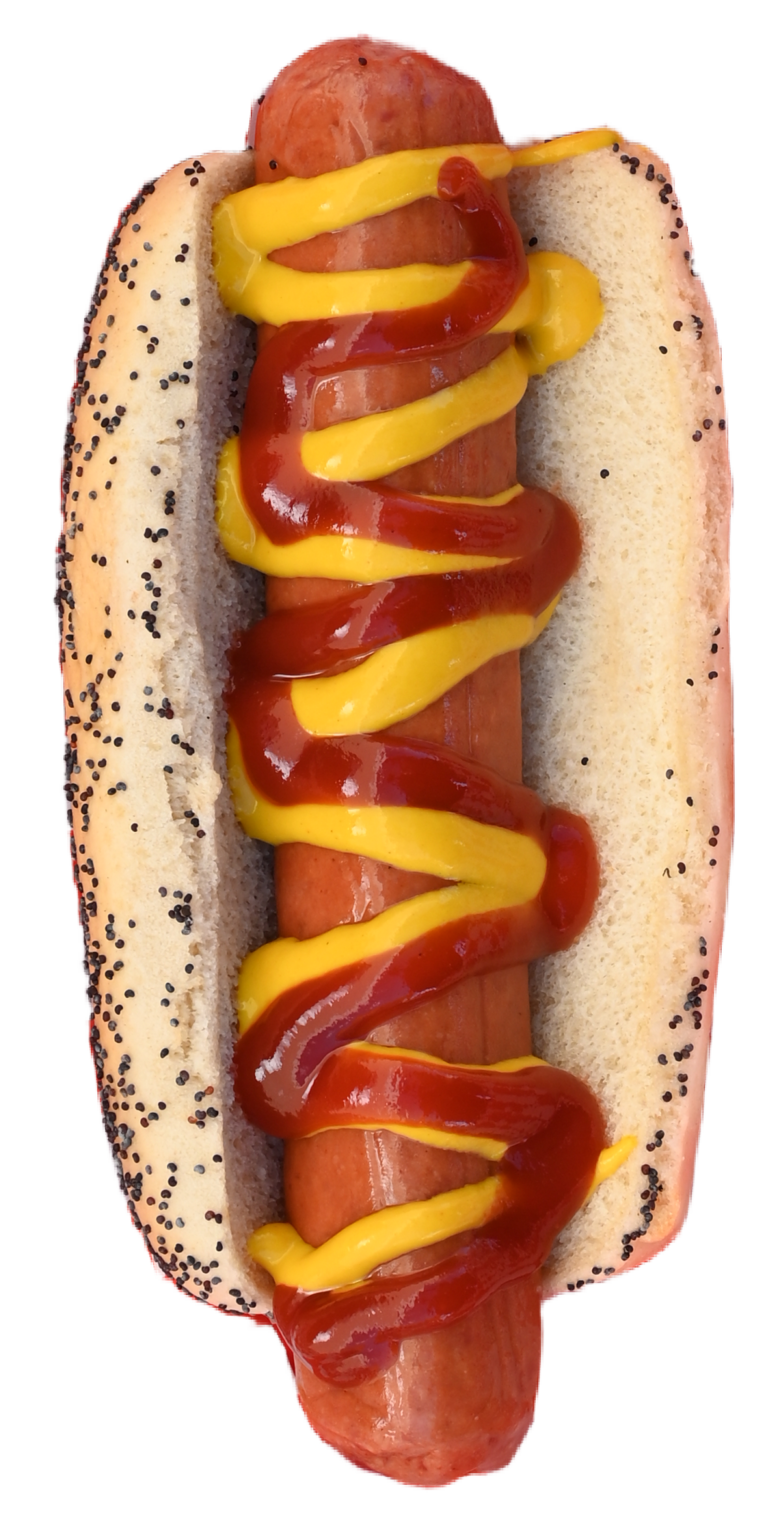
A hot dog is easy to cook and surprisingly easy to ruin once the crowd starts arriving. https://keeganemvt153.birchreport.com/posts/the-best-ways-to-dress-up-a-plain-hot-dog The problem is rarely the grill itself. Most hosts can get a batch cooked. The trouble begins twenty minutes later, when the first wave of guests has eaten, the second wave is still mingling, and the hot dogs are sitting somewhere between steaming and shriveled.
Keeping hot dogs warm for a party is really about managing time, moisture, and food safety at once. You want them hot enough to stay safe and pleasant to eat, but not so hot that the skins split, the ends curl up, or the texture turns rubbery. That balance matters whether you are feeding twelve people in a backyard or setting up service for a school fundraiser, office lunch, birthday party, or church picnic.
After doing this for casual cookouts and larger events, I have found that the best method depends less on the hot dog itself and more on the style of service. Are people eating all at once, or over two hours? Are you serving straight from the grill, or do you need a holding station? Are you working indoors with outlets, or outside with Sterno and folding tables? Once those answers are clear, the right setup becomes obvious.
Start with the temperature, not the gadget
The target is simple: keep cooked hot dogs hot, ideally at or above 140°F if they are being held for service. That number matters because cooked foods held below it for too long drift into the temperature range where bacteria grow more quickly. At a home party, people often get casual about that, especially with cured products like hot dogs, but the rule still matters.
The practical side is just as important. A hot dog held at 160°F to 180°F for too long can stay safe and still become disappointing. The casing tightens, moisture escapes, and the bite goes from juicy to dense. So the real goal is steady, moderate heat. Think of it as holding, not continuing to cook.
That distinction changes how you use equipment. A grill on high heat is a cooking tool, not a holding tool. A slow cooker set too high is a dehydration machine. A chafing dish with too much flame underneath can slowly ruin a whole tray without anyone noticing until the first complaint.
The best holding methods, and when each one makes sense
For most home parties, the slow cooker is the most forgiving option. It is easy to find, easy to plug in, and surprisingly effective if you use it correctly. The mistake people make is tossing in cooked hot dogs, turning the setting to high, and walking away for an hour. That usually leads to split skins and a puddle of salty liquid. A better approach is to preheat the cooker, add a small amount of hot water or use a warm, damp environment, and hold the hot dogs on low or warm. Some hosts like to add a little water to the bottom and keep the hot dogs elevated in a basket insert or loosely stacked above the moisture. Others hold them directly in a shallow layer with just enough liquid to create steam. Both can work, but the less direct simmering they do, the better the texture stays.
For bigger indoor gatherings, an electric roaster oven is often the unsung hero. It holds a larger quantity than a slow cooker and gives you more even heat. If you are serving fifty or more, a roaster can save a lot of stress because you can keep backup batches warm without monopolizing the stovetop or reopening the grill every ten minutes. The same rule applies, though: use gentle heat and a bit of moisture. A roaster that runs too hot will dry the hot dogs from the outside in.
At catered events or buffet-style service, chafing dishes are common, and they work well when they are set up thoughtfully. The water pan underneath needs enough hot water to create steam, and the fuel should maintain warmth, not blast the tray. If the water pan runs dry, the metal insert gets too hot and the hot dogs near the bottom start toughening quickly. I have seen this happen at school concession stands, where the first tray is perfect and the second tray, forgotten over direct dry heat, turns leathery by halftime.
If you are serving outdoors and want the theater of grilling, the grill can still play a role, but it should not be the main holding system unless someone is tending it constantly. The safer way is to grill in batches, move cooked hot dogs to a holding pan or slow cooker, and then return to the grill for replenishment. That keeps the visual appeal without sacrificing consistency.
A steam table is ideal for large events, especially if you are working in a church hall, community center, or rented venue with foodservice equipment. It gives you stable heat and enough capacity to separate regular hot dogs, beef franks, and specialty options. The challenge is supervision. Steam tables are excellent at holding, but only if pans stay covered when not in active use and the water level is maintained.
Water, steam, or dry holding?
This is where opinions get strong, and the best answer depends on what kind of hot dog you are serving.
Holding in hot water gives you the soft, ballpark-style result many people expect. It is especially good for standard franks in buns, where tenderness matters more than preserving a snappy grilled skin. If you are serving classic beef franks at a birthday party and want them uniformly hot for ninety minutes, a shallow hot water hold can work very well. The key is that the water should be hot, not boiling. Boiling continues to cook them aggressively and can wash out some flavor over time.
Steam holding splits the difference. It keeps hot dogs moist without fully submerging them. For many party hosts, this is the sweet spot because the texture stays better than in prolonged water holding, but the hot dogs still stay plump.
Dry holding is the riskiest unless the equipment is very well controlled. It can preserve a grilled exterior nicely for a short time, but over an extended service window, dry heat almost always costs you moisture. This is why hot dogs left on the top rack of a grill or in a warm oven often look acceptable but taste tired.
Timing matters more than people think
One of the biggest party mistakes is cooking all the hot dogs too early. It feels efficient in the moment, especially when guests are about to arrive, but it creates a holding problem that can last two hours. If the eating window is long, it is better to cook in waves.
At a small party, that might mean grilling an initial batch of twelve to sixteen, moving them to a warm holder, then cooking another round once the first tray gets low. At a larger event, think in service blocks. If you expect sixty guests over two hours, do not cook sixty at once unless your holding equipment is truly built for it. Cook thirty to forty for the opening rush, then refresh from a second batch.
This is also where knowing your crowd helps. Kids' parties tend to hit hard and fast. Office events often have a slower, staggered line. Sports events are unpredictable, with bursts around breaks and halftime. The right strategy is not just technical, it is behavioral.
Keep the buns separate
A warm hot dog in a damp bun is one of the fastest ways to make guests feel like the food has been sitting too long. Buns should almost always be stored separately from the hot dogs until the moment of serving.
If you want warm buns, use gentle heat and a short window. Wrapping a stack loosely in foil and warming them for a few minutes in a low oven works well. So does placing them in a covered container lined with a clean towel for a brief period. What you want to avoid is trapping too much steam for too long. That creates sticky, compressed buns that tear as soon as someone picks one up.
For self-serve parties, I prefer room-temperature buns unless the weather is cold. A fresh bun at room temperature is usually better than a warm, wet bun that has lost its structure.
Toppings can sabotage the whole setup
People focus on keeping the hot dog warm, but the toppings station often creates bigger problems. Mustard and ketchup are easy. Chili, cheese sauce, sautéed onions, sauerkraut, and baked beans require their own heat management. If one warm topping cools below safe temperature, the whole serving line becomes less reliable.
Chili for chili dogs needs the same holding discipline as any other hot food. Keep it in a small slow cooker or insulated server, stir occasionally, and avoid topping off old chili with fresh without checking the overall temperature. Cheese sauce behaves differently. It can skin over or thicken too much if held too long. A small warmer on low, with occasional stirring, works better than strong direct heat.
Relish, chopped onion, pickles, tomatoes, and shredded lettuce belong on the cold side. Keep them chilled until service, especially outdoors. When the weather is hot, people tend to think about the grilled items and forget that diced onions in the sun can become the real problem.
What works best for different kinds of events
A backyard birthday party usually benefits from the simplest plan: grill or boil the first batch close to mealtime, then hold the hot dogs in a slow cooker on warm with a little moisture. Refill as needed. That setup is easy to manage while still talking to guests and handling everything else.
A school or church event often needs volume and consistency. This is where roaster ovens, steam tables, or multiple slow cookers shine. Labeling helps more than people realize, especially if you are serving different types of hot dog products. Beef, pork, turkey, and plant-based versions should stay separate for both dietary and practical reasons. The moment people start asking which tray is which, the line slows down.
An office lunch is usually cleaner and more controlled. Indoor outlets are available, weather is not a factor, and service tends to be orderly. For that setting, hot dogs held in an electric roaster or chafing setup with buns and toppings arranged buffet-style works well. Keep the service window tighter, and quality stays high.
Outdoor sports events are the hardest because wind, weather, and distracted service make everything less stable. If you are working from folding tables and coolers, simplicity wins. Fewer toppings, smaller batches, and one dedicated hot holding method are better than a sprawling setup that no one can monitor.
How long can you hold them before quality drops?
Safety and quality are not the same clock. Properly held hot dogs can remain safe for a reasonable service period, but quality starts slipping sooner than many people expect. In real-world terms, the first hour is easy. The second hour is manageable with good moisture and temperature control. Beyond that, you need more judgment.
At around two hours of holding, even well-managed hot dogs often begin to change. The skins can soften too much if held moist, or toughen if held dry. Flavor remains fine, but texture becomes less lively. At three hours, you are usually in damage-control territory unless you have commercial-grade equipment dialed in carefully.
This is one reason I like smaller replenishment batches. Freshness is more noticeable than most hosts assume. Guests may not comment on it directly, but they respond to it. A hot dog that was cooked forty minutes ago and held well still tastes like party food. One that has sat for three hours tastes like leftovers.
The most common mistakes
The first is overheating. People worry so much about serving cold food that they compensate with too much heat. The second is using no moisture at all during holding. Unless the environment is naturally humid, dry heat will gradually steal the bite and juiciness.
The third is covering too tightly without thinking about condensation. A lid helps retain heat, but if too much moisture drips back down and pools, the hot dogs can become waterlogged on the surface. A partially vented lid or occasional opening often gives better results than sealing everything shut.
The fourth is overloading the container. Packing hot dogs too densely can create uneven heat, especially in slow cookers. The ones at the bottom may overcook while the top layer stays cooler than you expect. Moderate depth and occasional rotation help.
The fifth is forgetting service flow. If guests have to open lids, hunt for tongs, and ask where the buns are, the holding setup will stay open too long and lose heat. A tidy station is not just nicer to look at. It protects food quality.
If you need a practical plan, use this one
For a party of about twenty to thirty people, this setup is reliable and low stress. Cook an opening batch close to serving time. Move the cooked hot dogs to a preheated slow cooker set to warm or low, with a small amount of hot water or steam in the bottom. Keep the lid mostly closed, opening only as needed. Warm buns separately for a few minutes if you want to, but do not combine them with the hot dogs. Replenish from a second batch after the first wave.
For fifty or more, use an electric roaster or steam-table style setup if possible. Hold the hot dogs in shallow layers with moisture and monitor the temperature, not just the dial setting. Plan for at least one refresh during service rather than trying to cook everything in advance.
When to skip holding altogether
There are times when the best answer is no holding at all. If your guest count is small, your cooking source is close to the serving area, and people are eating immediately, you may be better off serving straight from the grill or stovetop in quick rounds. The quality is better, and the logistics are simpler.
This is especially true if you are serving premium hot dogs with natural casings, specialty sausages, or grilled franks where texture matters. Those products lose some of their appeal when held too long in moist heat. In that case, cook smaller amounts more often. It feels more hands-on, but the payoff in texture is noticeable.
A word about appearance
People eat with their eyes long before they pick up a bun. A hot dog that looks plump, glossy, and freshly cooked gets grabbed quickly. One that is split, wrinkled, or sitting in murky water does not.
That is another reason to avoid overhandling and overcrowding. Use clean tongs, refresh pans when liquid becomes cloudy, and keep the serving vessel wiped down. At bigger events, replacing the top service tray with a fresh tray from the warmer below can make the whole line feel more professional even if the food itself is the same.
The balance that works
Keeping hot dogs warm is not complicated, but it rewards a little restraint. Gentle heat beats aggressive heat. Moisture helps, but too much can blunt texture. Small batches beat one giant batch almost every time. The host who plans for holding usually serves better food than the host who only plans for cooking.
If you remember one thing, make it this: treat holding as its own stage, not an afterthought. A well-cooked hot dog can stay excellent through a party if the setup respects heat, timing, and moisture. Ignore those details, and even a great brand cooked perfectly on the grill will fade before half your guests make it to the table.
Under Construction Hot Dogs
1225 W U.S. Hwy 50, Pueblo, CO 81008
FAQ About hot dog
What are different types of hotdogs?
Under Construction Hot Dogs offers a classic all-beef hot dog, a quarter-pound Jumbo Dog, a Chili Dog, and a Chicago Dog, along with brats and a Spicy Link.
What does a chili dog have on it?
Our Chili Dog pairs a Vienna all-beef hot dog with chili, shredded cheddar cheese, and finely diced onions.
What is in a traditional Chicago dog?
Our Chicago Dog comes on a steamed poppy seed bun with yellow mustard, bright green relish, onions, tomato wedges, a pickle spear, sport peppers, and celery salt.