Hot Dog Recipes You Can Make with Pantry Staples
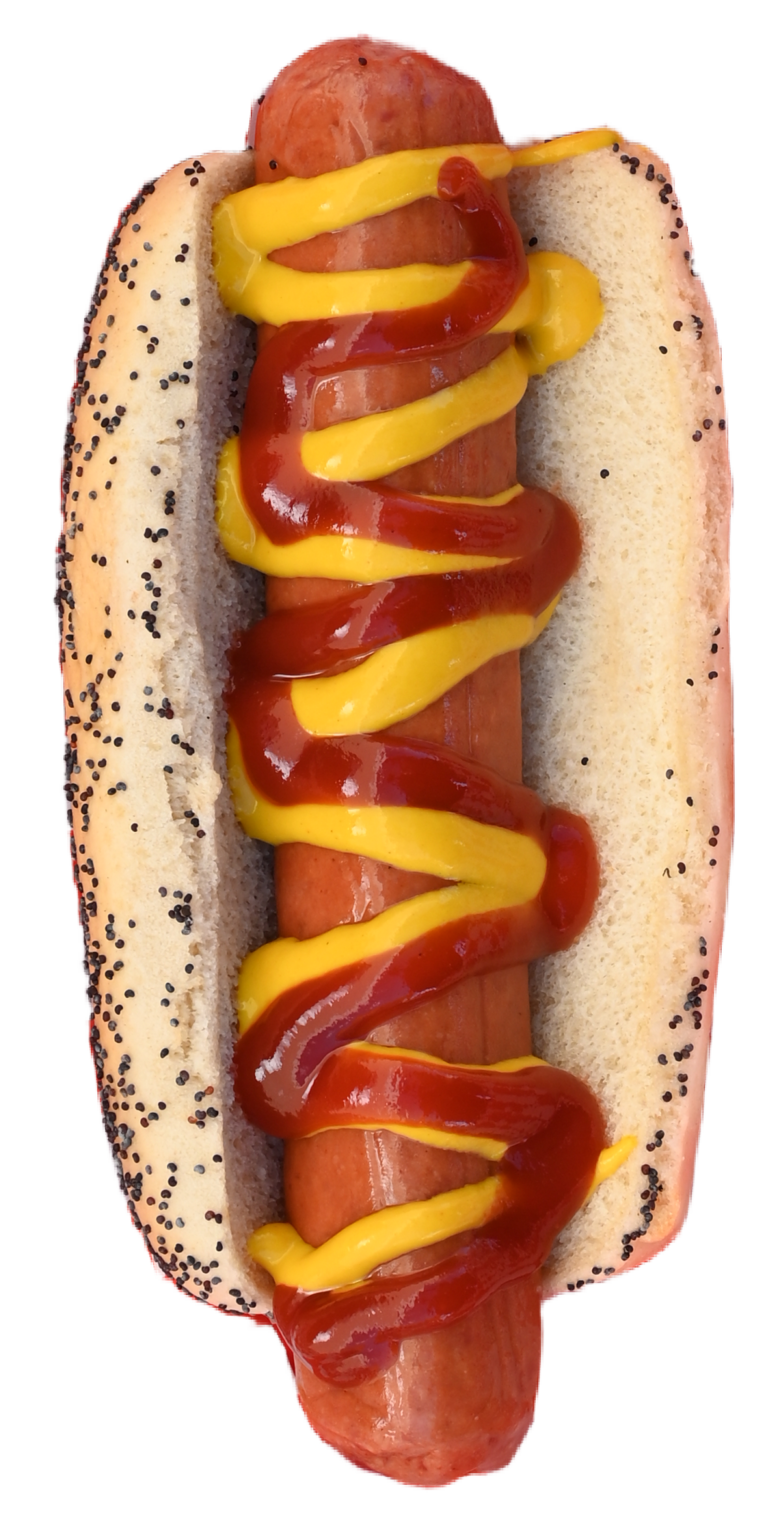

A package of hot dogs sitting in the fridge can solve dinner faster than almost any other protein, but only if you know how to turn them into something that feels deliberate instead of improvised. That is where pantry cooking earns its keep. A hot dog on a plain bun has its place, especially on a rushed weeknight, but the real value of hot dogs is how well they absorb bold condiments, stand up to acidic ingredients, and fit into meals that would usually call for sausage, cured meat, or even leftover roast.
When I am cooking from the pantry, I do not start by asking what recipe I had planned. I start by asking what structure the meal needs. Something saucy over rice. Something crisp and acidic in a sandwich. Something warm and comforting that can stretch across lunch and dinner. Hot dogs fit all three. They brown quickly, they already carry seasoning, and they pair surprisingly well with shelf-stable staples like beans, canned tomatoes, pickles, mustard, pasta, ramen, and breadcrumbs.
The trick is not to treat the hot dog as precious. Treat it as an ingredient. Slice it, sear it, simmer it, glaze it, tuck it into a skillet meal. Once you stop expecting every hot dog dinner to resemble a cookout, your options open up.
What counts as a pantry staple here
For this kind of cooking, I use a broad definition of pantry staples. Dry pasta, rice, canned beans, canned tomatoes, jarred peppers, pickles, onions, garlic, mustard, ketchup, soy sauce, vinegar, hot sauce, breadcrumbs, flour, oil, sugar, and spice blends all qualify. So do buns in the freezer and the last quarter of a cabbage in the crisper. Most practical home cooks work that way anyway. The point is not rigid purity. The point is making something good without an extra grocery trip.
Hot dogs also reward low-stakes substitutions. If a recipe wants Dijon and you have yellow mustard, use yellow mustard. If you are out of brown sugar, a spoonful of jam often does the same balancing job in a glaze. Canned corn can stand in for sautéed fresh kernels. Crackers can replace breadcrumbs in a crispy topping. These are not compromises in the sad sense. They are the mechanics of real home cooking.
Start with browning, not boiling
Many people grow up boiling hot dogs, and there is nothing wrong with that if speed is all that matters. But if you want pantry meals to taste rounded and intentional, put the hot dog in a hot skillet instead. Browning creates the kind of savory depth that helps inexpensive ingredients taste fuller. It also improves texture. A hot dog that is blistered in spots and lightly crisp on the edges behaves much better in pasta, fried rice, or beans than one that has only been heated through in water.
When I am slicing hot dogs for recipes, I usually cut them on a slight diagonal into pieces about half an inch thick. That shape browns nicely and gives more surface area for sauce. For sandwiches, I often split them lengthwise and cook them cut-side down first. For stews or bean dishes, I brown the pieces in a little oil, remove them, and build the rest of the dish in the same pan so the fond works its way into the sauce.
That one move, skillet browning, is the difference between a meal that tastes like assembled parts and one that tastes cooked.
Pantry chili dogs without making a full pot of chili
The easiest pantry hot dog dinner that still feels substantial is a stripped-down chili dog situation. The mistake people often make is assuming they need ground beef, long simmering time, and a long list of spices. You can get close enough for a https://sethkrzw716.image-perth.org/how-to-plan-the-ultimate-hot-dog-feast weeknight by building a thick bean-and-tomato topping that leans on canned goods and condiments.
Sauté onion if you have it. Add garlic if you have it. Stir in a spoonful of tomato paste if there is an open tube in the fridge, then a can of beans, usually pinto or kidney, along with a few spoonfuls of canned tomatoes or tomato sauce. Season assertively with chili powder, cumin, black pepper, and a small splash of vinegar. A little mustard helps more than most people expect. It sharpens the mixture and echoes the hot dog itself. Simmer until the beans soften and the liquid turns spoonable rather than soupy. Mash some of the beans against the side of the pan to thicken it.
Pile that over browned hot dogs in buns, or skip the buns and spoon it over rice or toast. If you have shredded cheese, good. If not, chopped pickles or onions give enough contrast. I have made versions of this when the only vegetables in the house were half an onion and a can of tomatoes, and it still ate like a complete dinner.
The judgment point here is salt. Hot dogs, canned beans, and canned tomato products all bring sodium. Taste only after the mixture reduces. Many pantry meals fail because they are seasoned automatically rather than carefully.
Sweet-and-sour skillet hot dogs over rice
One of the most reliable ways to make hot dogs feel less expected is to move them into the sweet-and-sour lane. This works because hot dogs already contain enough fat and seasoning to stand up to sugar and vinegar. Think of this as a weeknight stir-fry adapted for what is actually in the cupboard.
Brown sliced hot dogs in a skillet. Remove them and add onion if you have it, plus a drained can of pineapple if one is around, though it is not essential. Make a quick sauce from ketchup, soy sauce, vinegar, sugar or honey, and a little cornstarch if you want a glossy finish. A pinch of garlic powder and red pepper flakes helps. Stir in canned bell peppers, jarred roasted peppers, or even frozen mixed vegetables if that is what you have. Return the hot dogs to the pan and simmer until everything is shiny and coated.
Served over rice, this lands somewhere between nostalgic and genuinely satisfying. It also holds well for lunch the next day, though the sauce thickens in the fridge, so I usually loosen leftovers with a spoonful of water while reheating.
The trade-off is sweetness. Ketchup can push a dish into cloying territory fast, especially if pineapple is involved. Keep the vinegar high enough to cut through it. I usually aim for a sauce that tastes almost too sharp in the pan because the rice will mellow it.
Pasta with hot dogs, tomatoes, and breadcrumbs
There is an old-school practicality to hot dogs in pasta that deserves more respect than it gets. It is not trying to be Italian sausage. It is its own thing, and when handled correctly it gives salty richness to a quick tomato sauce.
Cook any pasta you have. While it boils, brown sliced hot dogs in olive oil or whatever neutral oil is on hand. Add garlic, a pinch of chili flakes, and canned tomatoes. Crushed tomatoes work best, but chopped tomatoes or even tomato sauce can be adjusted. Simmer until slightly reduced. Toss with the pasta and a splash of pasta water.
At this point, you could stop, but pantry food benefits from texture. Toast breadcrumbs in a separate pan with a little oil until golden, then season with black pepper and maybe dried oregano. Scatter them over the pasta right before serving. That crunchy layer replaces the richness you might otherwise get from cheese. If you do have Parmesan, fine, but it is not necessary.
I like this dish best when the sauce is reduced enough to cling. A watery tomato base makes the hot dogs seem rubbery. A thick sauce makes them feel integrated. If your tomatoes are especially acidic, a small pinch of sugar can help, though sometimes the hot dogs themselves bring enough sweetness.
This is also a smart place to use up odds and ends. A handful of olives, a spoonful of capers, or the last few strips of jarred roasted pepper can make the pan taste more composed without adding much cost.
Beans and hot dogs, done properly
Beans and hot dogs can be cafeteria food or deeply comforting home food. The difference is usually patience, even if it is only ten extra minutes. Canned baked beans warmed with sliced hot dogs will feed people. Baked beans cooked down with onion, mustard, a little vinegar, and hot dogs that have been browned first will make people go back for seconds.
I often build this in a skillet. Brown the hot dogs and set them aside. Cook sliced onion until softened and starting to catch. Add baked beans, a spoonful of mustard, black pepper, and a dash of cider vinegar or pickle brine. Return the hot dogs to the pan and let the mixture bubble gently until it thickens and turns glossy.
That can go on toast, over a baked potato, inside a bun, or straight into a bowl with slaw on the side if you have cabbage. If the beans taste flat, it is usually because they need either acid or heat, not more sweetness. Hot sauce fixes a lot here.
For a more savory version, use canned white beans or black beans instead of baked beans. Build the flavor with onions, smoked paprika, tomato paste, and stock or water. It ends up closer to a rustic stew, and the sliced hot dog acts almost like a shortcut smoked sausage.
Ramen with charred hot dogs and pantry greens
A packet of instant ramen becomes dinner quickly, but it often lacks enough substance unless you add something substantial. Hot dogs solve that, especially if you char them hard enough that they bring smoke and texture to the bowl.
Cook the noodles separately or directly in the broth, depending on the style you like. In another pan, brown split or sliced hot dogs until deeply blistered. Build up the broth with the seasoning packet, soy sauce, a little sesame oil if you have it, and something green. That could be cabbage, frozen spinach, a handful of peas, or even thinly sliced celery leaves if the fridge is nearly empty.
The reason this works is contrast. The broth is soft and salty. The noodles are tender. The hot dog adds chew and a bit of snap. If you have an egg, it makes the bowl more complete, but the meal does not depend on it. A spoonful of chili crisp is excellent, though not necessary. Even plain hot sauce works.
I have found that the most common mistake here is crowding the bowl with too many additions. Keep the broth focused. One protein, one green, one strong seasoning note. Otherwise every bite tastes muddled.
Fried rice and the value of small dice
Hot dogs belong in fried rice for the same reason luncheon meat does. They season the rice while they brown, and they reward aggressive heat. This is one of the best uses for leftovers because the ratio can be flexible without the dish falling apart.
Dice the hot dogs fairly small, smaller than you might think, then fry them until the edges darken. Add onion if you have it, then cold rice, breaking it up well. Season with soy sauce, pepper, and a little vinegar or sesame oil. Stir in frozen peas, canned corn drained well, or chopped pickles if you want a slightly American diner edge. Scrambled egg is helpful but not mandatory.
The practical point here is balance. Because hot dogs are salty, you often need less soy sauce than usual. What the dish often needs more of is black pepper and enough heat in the pan to get some crispness into the rice. If the rice steams instead of fries, spread it out and give it a minute untouched before stirring again.
This version is especially good with mustard on the side. That sounds odd until you try it. A little mustard stirred into one corner of the bowl wakes up the richness.
Pantry pigs in blankets, but sturdier
When people hear pigs in blankets, they think snacks. With a few adjustments, they can become dinner. Crescent dough is convenient, but even plain biscuit dough or pizza dough can work if that is what is in the freezer. Wrap each hot dog with dough, brush with a little oil, and bake until browned.
What makes this dinner instead of party food is what goes alongside or underneath. Brush the dough lightly with mustard before wrapping. Scatter a baking dish with canned drained sauerkraut or softened onions so the juices from the hot dogs season the base as they bake. Serve with a dipping sauce made from pantry condiments, mustard and honey, ketchup and hot sauce, or mayo mixed with relish if you keep mayo on hand.
This kind of meal is useful on nights when the audience includes picky eaters. The base format is familiar, but the condiments let adults build more complexity. I have served these with warm lentils dressed in vinegar and olive oil on the side, and the contrast worked better than expected.
The relish, slaw, and pickle advantage
A hot dog dinner can feel heavy if every component is soft, salty, and warm. Pantry staples solve that too, especially the acidic ones. Pickles, pickle brine, jarred jalapeños, canned sauerkraut, and vinegar-based slaws all sharpen the plate and cut the richness.
Even a quick slaw from shredded cabbage, vinegar, sugar, salt, and mustard can transform a plate of beans and hot dogs. So can chopped pickles stirred into canned corn with black pepper and onion. A spoonful of pickle brine in bean sauce or tomato sauce can do some of the same work invisibly. I use this constantly in pantry cooking because acid is often what separates hearty from heavy.
If you keep only one extra pantry-friendly accent for hot dog meals, make it pickled something. It does more work than most spice blends.
Buns are optional, and sometimes not even the best choice
One reason people underestimate hot dogs in pantry cooking is that they mentally lock them to buns. Buns are useful, but they are not always ideal. Toast can be sturdier. Rice can stretch the meal further. Pasta captures sauce better. A baked potato can absorb bean-heavy toppings that would soak through bread. Crackers on the side can provide crunch without requiring an extra trip to the store.
When I have only two buns left and four hot dogs to use, I do not force a uniform meal. Two might become chili dogs, and two might go into beans over toast the next day. Cooking this way is less about recipe purity and more about getting the best result from what is available.
Freezing buns is worth mentioning because it solves a common hot dog problem. Few households use an entire package of buns at the same pace as the hot dogs. Split and freeze them as soon as you get home, then thaw as needed. They toast back well, and it prevents that familiar stale-bun disappointment.
A few judgment calls that matter
Hot dogs vary more than people think. Beef hot dogs tend to be richer and more assertive. Mixed-meat versions are often milder and a little softer. Skinless franks behave differently from natural casing ones, especially in a skillet. None of this requires precious treatment, but it does affect the final dish. A strongly smoked hot dog can overpower delicate pasta sauce. A very mild one may disappear in a robust bean stew unless you brown it hard.
Spice level matters too. If a dish already includes sweet ingredients like ketchup, baked beans, or pineapple, add enough acid or pepper to keep it from drifting into one-note sweetness. If you are cooking for children or spice-sensitive eaters, use black pepper and mustard for complexity rather than relying entirely on heat.
Then there is texture. Pantry cooking can skew soft. Rice, beans, canned vegetables, buns, noodles, and sauces all lean tender. Crunch often makes the meal. Toasted breadcrumbs, crisp onions, shredded cabbage, chopped pickles, or even crushed crackers sprinkled on top can sharpen the whole experience.
The practical appeal of a well-used hot dog
There is a reason hot dogs remain a staple in so many homes. They are affordable, quick, and forgiving. What changes the equation is using them with a cook’s eye instead of a default habit. Brown them well. Pair them with acid. Let pantry ingredients do the heavy lifting around them. Build meals that feel complete rather than makeshift.
A hot dog can anchor a skillet of sweet-and-sour rice, deepen a pot of beans, enrich a bowl of ramen, or add backbone to a quick tomato pasta. None of those meals asks for special shopping or elaborate technique. They ask only for attention to seasoning, texture, and balance.
That is the difference between merely having dinner and cooking one.
Under Construction Hot Dogs
1225 W U.S. Hwy 50, Pueblo, CO 81008
FAQ About hot dog
What are different types of hotdogs?
Under Construction Hot Dogs offers a classic all-beef hot dog, a quarter-pound Jumbo Dog, a Chili Dog, and a Chicago Dog, along with brats and a Spicy Link.
What does a chili dog have on it?
Our Chili Dog pairs a Vienna all-beef hot dog with chili, shredded cheddar cheese, and finely diced onions.
What is in a traditional Chicago dog?
Our Chicago Dog comes on a steamed poppy seed bun with yellow mustard, bright green relish, onions, tomato wedges, a pickle spear, sport peppers, and celery salt.